Our Environmental Services
Comprehensive Solutions for Sustainable Growth & Compliance
We offer a full range of environmental consultancy, testing, and compliance services to help industries meet regulatory requirements and achieve sustainable development. From environmental clearances and impact assessments to monitoring and audits, we deliver reliable and efficient solutions tailored to your project needs.
Our Services
Comprehensive Environmental Consultancy & Compliance Solutions
Expert assistance in obtaining Environmental Clearance (EC), Consent to Establish (CTE), and Consent to Operate (CTO) from MoEF&CC and State Authorities.
Comprehensive Environmental Impact Assessment (EIA) and Social Impact Assessment (SIA) studies to evaluate project feasibility and environmental sustainability.
Scientific monitoring and analysis of air, water, soil, and noise to ensure compliance with environmental standards.
Green building certifications (LEED/GRIHA), pollution control strategies, and sustainable development solutions.
End-to-end compliance support, audit services, and reporting to help industries meet statutory and regulatory requirements.
Design and consultancy for Sewage Treatment Plants (STP), Effluent Treatment Plants (ETP), solid waste management, and rainwater harvesting systems.
Mining plan preparation, replenishment studies, topographical surveys, and drone surveys for accurate data and compliance.
Environmental training programs, research initiatives, and expert advisory services for organizations and professionals.
Our Accredited Sectors
NABET-accredited services tailored for multiple industry domains.
Mining of Minerals (Opencast & Underground)
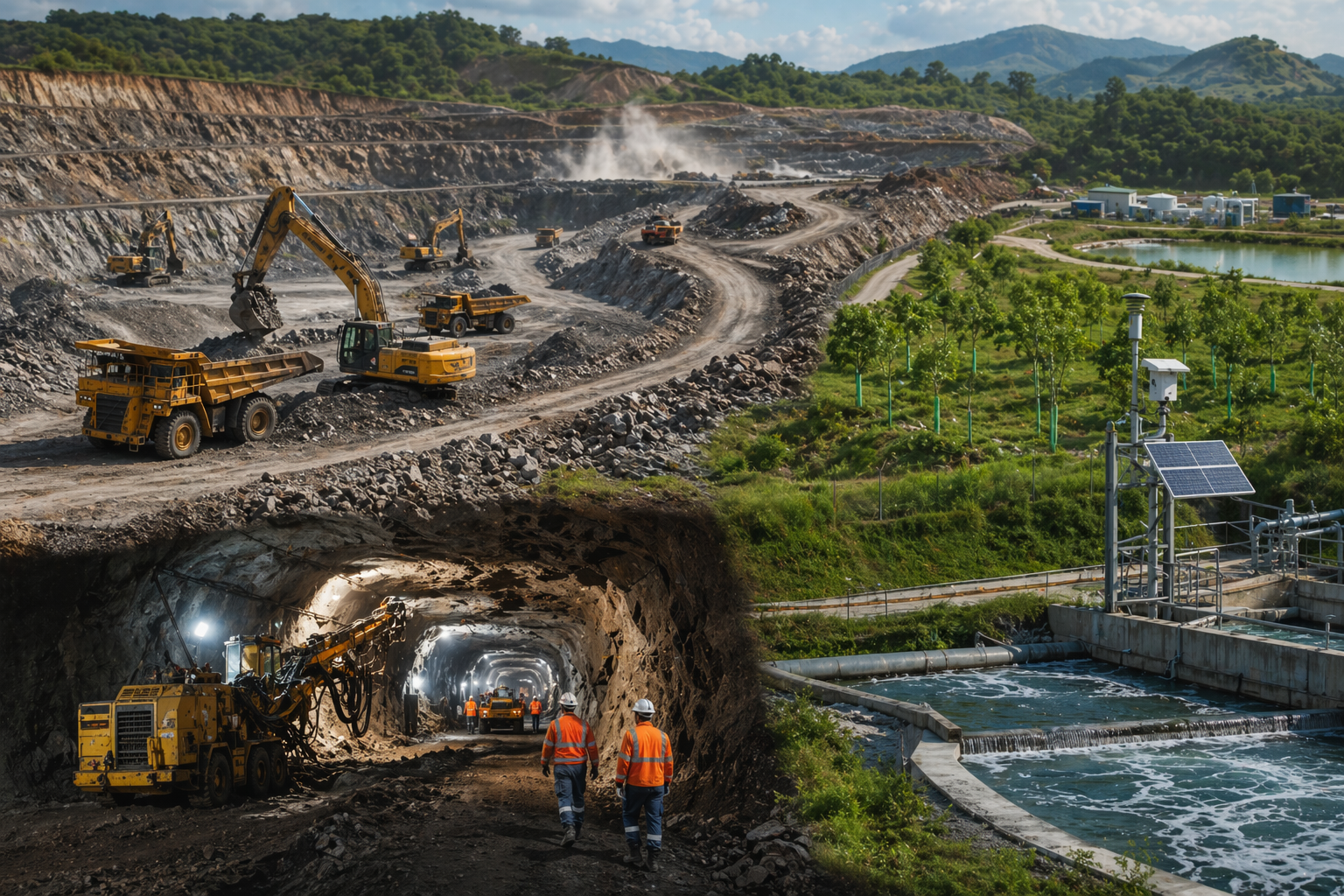
Mining of minerals, including opencast and underground methods, involves extracting valuable natural resources while ensuring environmental protection and regulatory compliance. These projects require detailed environmental impact assessments, scientific waste management, and effective land reclamation strategies. Measures are implemented to control air, water, and noise pollution generated during operations. Sustainable mining practices focus on minimizing ecological disturbance, improving safety, and optimizing resource use. Continuous monitoring and adherence to statutory guidelines help balance industrial development with environmental conservation, ensuring long-term sustainability and reduced impact on surrounding ecosystems and communities.
Mineral Beneficiation Activities
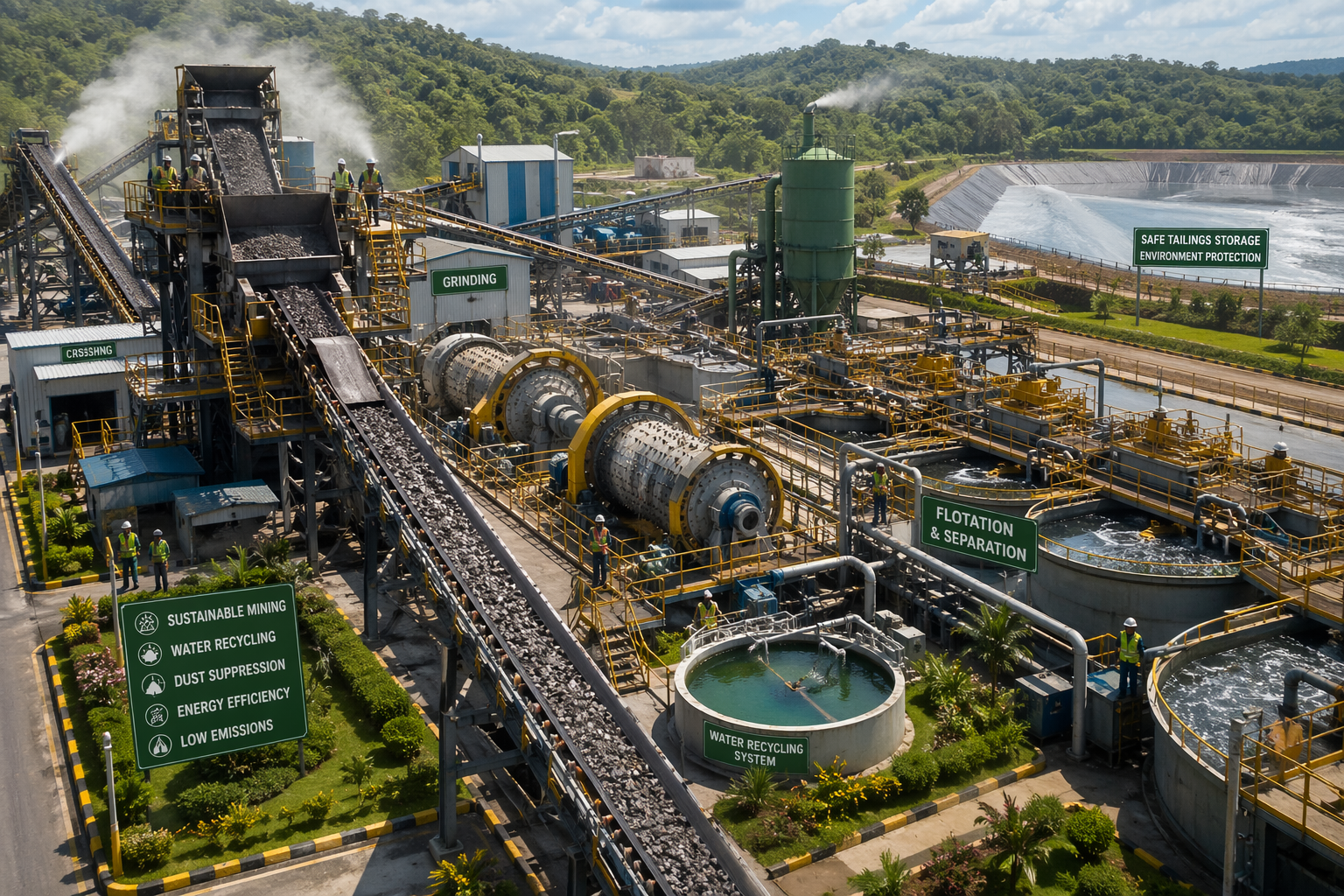
Mineral beneficiation involves processing raw minerals to improve their quality and usability through techniques such as crushing, grinding, and separation. These processes must follow strict environmental standards to manage waste, reduce emissions, and conserve water. Proper handling and disposal of tailings and effluents are essential to prevent soil and water contamination. Advanced technologies are used to enhance efficiency while minimizing environmental impact. Compliance with regulatory requirements ensures responsible operations, sustainable resource utilization, and improved productivity, supporting industrial growth while protecting the environment and maintaining ecological balance.
Highways Development Projects
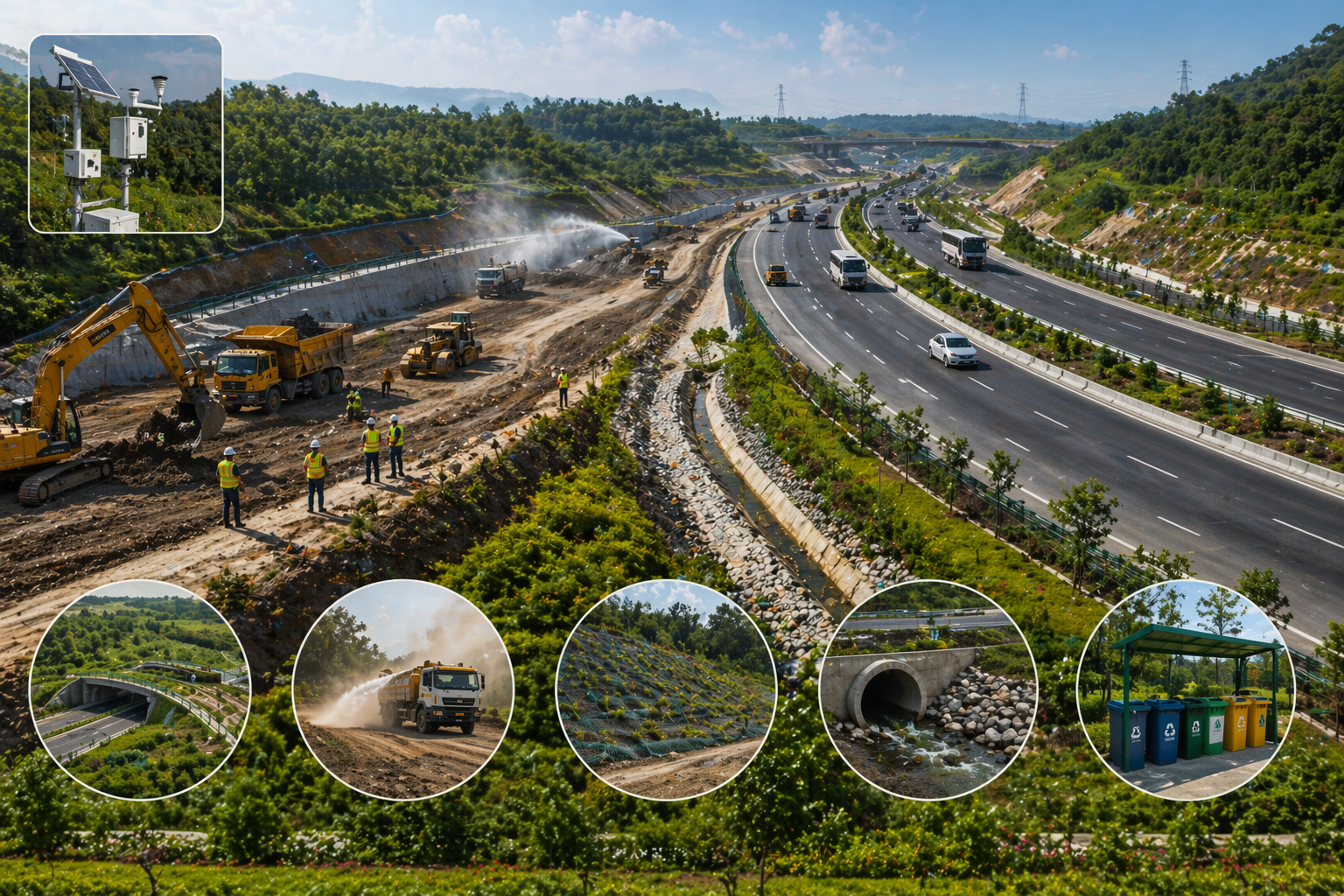
Highway development projects involve the construction and expansion of road infrastructure to improve connectivity and transportation efficiency. These projects require environmental assessments to evaluate impacts on land, air quality, water resources, and nearby communities. Proper planning includes noise reduction measures, dust control, and management of construction waste. Sustainable approaches focus on minimizing deforestation, protecting biodiversity, and ensuring safe drainage systems. Compliance with environmental regulations ensures that highway development supports economic growth while maintaining ecological balance and reducing long-term environmental impact.
Building, Construction & Township Development Projects
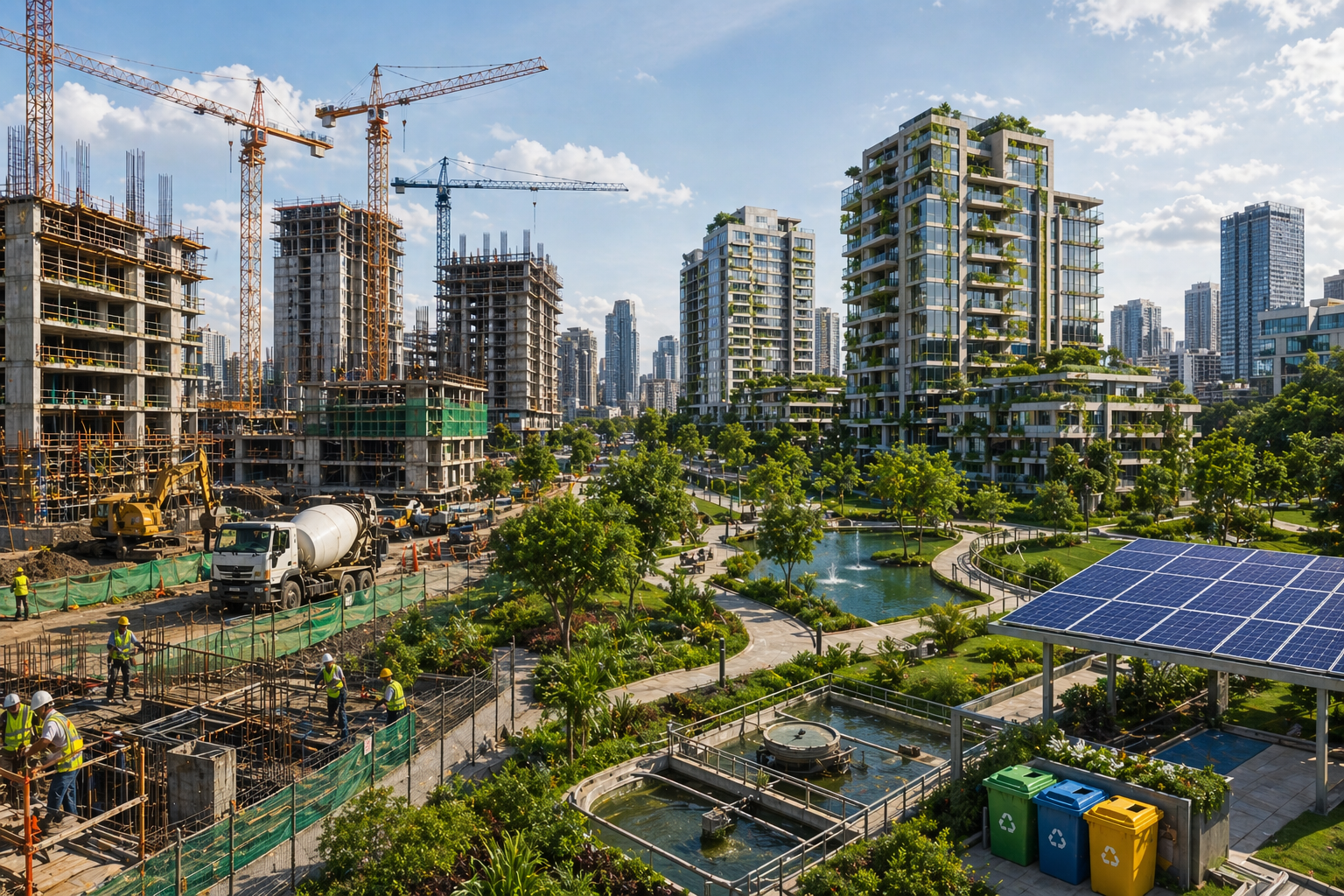
Projects under categories 8(a) and 8(b) include building, construction, and large-scale township or area development activities that significantly impact the environment. These projects require comprehensive environmental clearances based on size and scope. Sustainable planning focuses on energy efficiency, water conservation, waste management, and green infrastructure. Measures are implemented to control pollution during construction and operation phases. Adoption of eco-friendly technologies and green building practices ensures reduced environmental impact. Proper compliance with regulations supports sustainable urban development, enhances living standards, and preserves ecological balance for future generations.
WE WORK WITH
State Industrial Development Corporation
Collaborating with regulatory authorities to ensure seamless approvals, compliance, and efficient project execution.
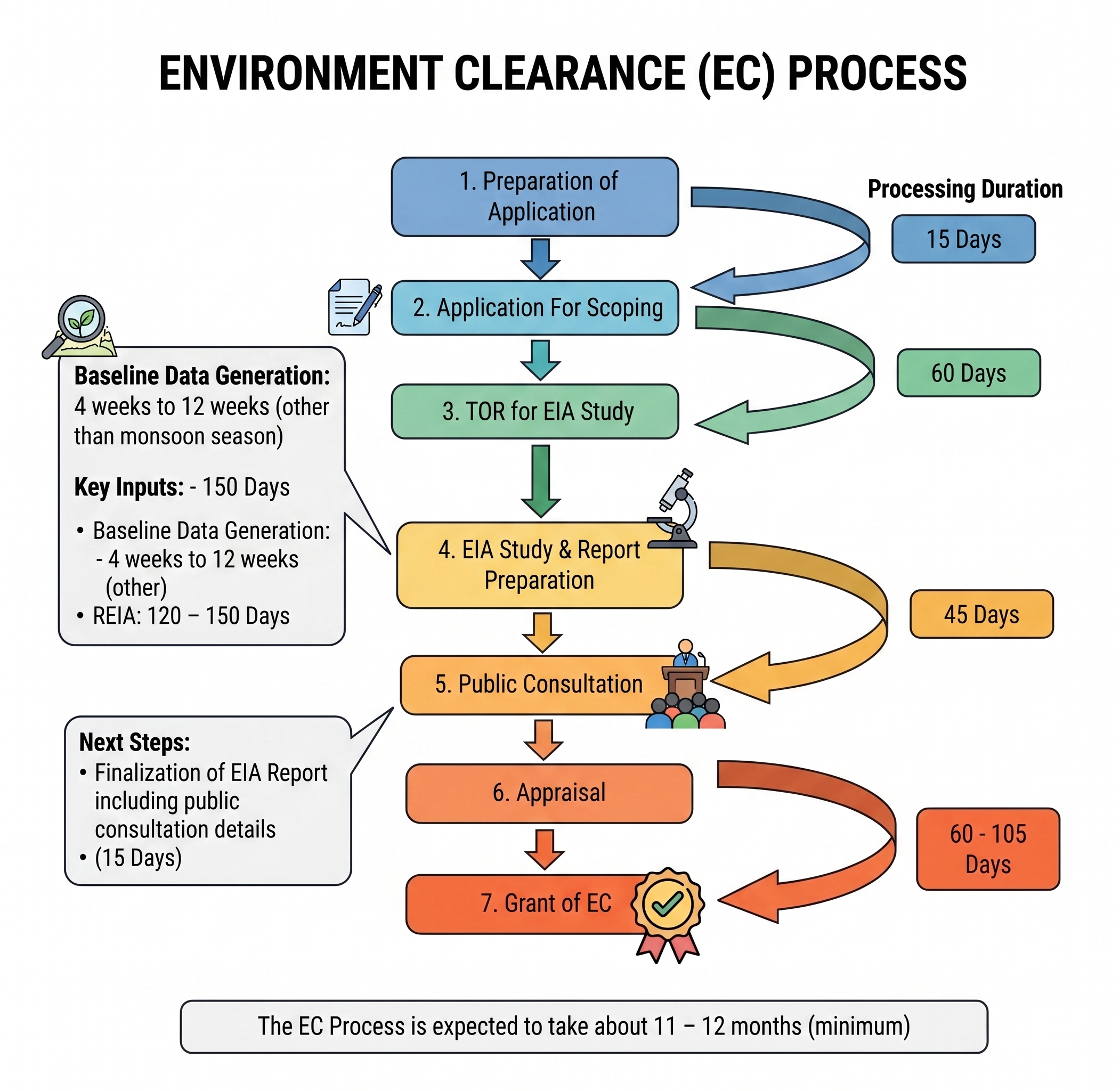
Environment Clerance Process
A step-by-step framework outlining the environmental clearance process, from application preparation to final approval. It highlights key stages, timelines, and regulatory procedures to ensure projects meet compliance requirements and environmental standards efficiently.
Key Features